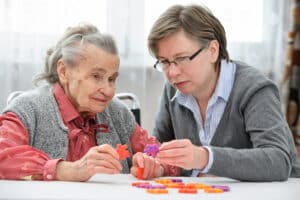
Aging well involves much more than maintaining physical health. Strong relationships, regular interaction, and a sense of belonging all play an important role in emotional and mental well-being. For many older adults, staying socially connected becomes more challenging over time due to retirement, mobility limitations, health concerns, or the loss of friends and family members. This is where in-home companion care can make a meaningful difference by helping seniors maintain valuable social connections and remain engaged with the world around them.
Research continues to show that social engagement is closely linked to better health outcomes among older adults. Seniors who enjoy regular interaction with others often experience improved mood, greater confidence, and a higher quality of life. While family members may do their best to stay involved, daily responsibilities and geographic distance can make consistent companionship difficult. Reliable support at home can help bridge that gap.
Why Social Connections Matter as We Age
Humans are social by nature. Meaningful relationships provide emotional support, encourage positive habits, and create opportunities for enjoyable experiences. As people grow older, maintaining these connections becomes increasingly important.
Isolation and loneliness can affect seniors in several ways. Studies have associated prolonged social isolation with increased risks of depression, anxiety, cognitive decline, and various physical health concerns. Seniors who spend long periods alone may also become less motivated to stay active or participate in activities they once enjoyed.
Social interaction provides valuable mental stimulation. Conversations, shared experiences, and participation in hobbies challenge the brain and help keep the mind engaged. Even simple daily interactions can contribute to a stronger sense of purpose and fulfillment.
Common Reasons Seniors Become Socially Isolated
Many older adults face circumstances that make social engagement more difficult than it was earlier in life.
Several factors can contribute to isolation:
- Retirement from a long-term career
- Limited mobility or transportation challenges
- Hearing or vision changes
- Chronic health conditions
- The loss of a spouse or close friends
- Family members living far away
- Reduced participation in community activities
These challenges often develop gradually. Family members may not immediately notice how much a loved one’s social circle has shrunk over time.
The Emotional Benefits of Regular Companionship
Companionship offers more than casual conversation. Consistent social interaction can help seniors feel valued, heard, and connected to others.
Many older adults enjoy sharing stories, discussing current events, playing games, or participating in favorite hobbies with someone who genuinely listens and engages. These interactions help reduce feelings of loneliness while promoting emotional well-being.
Regular companionship can also boost confidence. Seniors who feel supported may be more willing to participate in activities, maintain routines, and stay involved in their communities. Having someone nearby to share experiences with often brings greater enjoyment to everyday life.
How Companion Care Supports Social Engagement
While family visits are important, many seniors benefit from additional opportunities for interaction throughout the week. In-home companion care provides personalized support focused on companionship and meaningful engagement.
Companion care services can include spending time together at home, sharing meals, participating in hobbies, engaging in conversation, and accompanying seniors on outings when appropriate. These interactions help create structure and enjoyment throughout the day.
Companionship also encourages seniors to remain mentally active. Activities such as puzzles, card games, reading, and discussing favorite topics can stimulate cognitive function while providing opportunities for social connection.
The goal is not simply to fill time but to create positive experiences that support emotional health and overall well-being.
Social Connections Support Physical Health Too
The benefits of social engagement extend beyond emotional wellness. Seniors who maintain active social lives often demonstrate healthier lifestyle habits.
Regular interaction can encourage older adults to:
- Stay physically active
- Follow daily routines
- Maintain healthy eating habits
- Participate in enjoyable activities
- Stay motivated to care for themselves
When seniors feel connected to others, they may be more likely to remain engaged in activities that support their overall health. Positive relationships can help reduce stress and contribute to a greater sense of stability.
Family Members Gain Peace of Mind
Family caregivers often worry about loved ones who spend much of their day alone. Even when seniors are physically safe, emotional isolation can still affect their quality of life.
Knowing that a loved one has regular companionship can provide significant reassurance. Families often appreciate having another caring individual who can engage their loved one in conversation and activities while providing social interaction between family visits.
Companion care can also help strengthen family relationships. When loneliness is reduced and emotional needs are supported, visits with family members often become more enjoyable and focused on spending quality time together.
Building a Sense of Purpose
Purpose is an important part of healthy aging. Seniors who remain engaged with others frequently report greater satisfaction and a stronger sense of meaning in their daily lives.
Meaningful connections encourage participation in conversations, hobbies, and activities that reinforce personal identity. Whether discussing lifelong interests, working on a favorite craft, or simply sharing stories from the past, these interactions help seniors maintain a sense of self.
Companionship can also motivate older adults to look forward to future activities and experiences. Having regular opportunities for engagement creates positive routines that add structure and enjoyment to each week.
Creating Opportunities for Successful Aging
Successful aging involves supporting the whole person—physical, emotional, social, and cognitive well-being. While medical care addresses important health needs, social connection remains a critical component of overall wellness.
Assisting Hands Fremont understands that meaningful relationships contribute significantly to quality of life. Through compassionate companionship services, seniors can enjoy regular interaction, engaging activities, and opportunities to remain connected to the people and experiences that matter most.
As social circles naturally change with age, maintaining consistent companionship becomes increasingly valuable. Meaningful conversations, shared activities, and supportive relationships can help older adults stay engaged, confident, and emotionally fulfilled.
For families seeking ways to support a loved one’s overall well-being, in-home companion care offers a practical solution that addresses one of the most important aspects of healthy aging: staying connected. Assisting Hands Fremont is committed to helping seniors maintain these valuable connections while continuing to enjoy life in the comfort of home. Through personalized support, Assisting Hands Fremont helps older adults experience the benefits that meaningful companionship can bring every day.
If you or an aging loved one is considering in-home companion care in Livermore, CA, contact the professional home care team at Assisting Hands. Call today: 510-319-7808