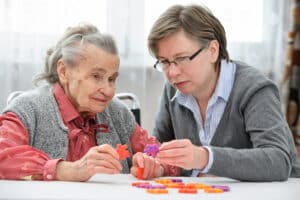
Companion care at home plays a meaningful role during National Parkinson’s Awareness Month by helping seniors manage daily life while maintaining dignity, routine, and social connection. Parkinson’s disease affects movement, balance, and coordination, but it can also influence mood, confidence, and a person’s sense of independence. For many older adults, having consistent companionship and everyday support makes it easier to remain engaged and comfortable at home.
National Parkinson’s Awareness Month is a time to acknowledge the challenges seniors face while also focusing on practical ways to support daily living. Companion care at home offers non-medical assistance and meaningful interaction that can help seniors navigate the physical and emotional changes associated with Parkinson’s disease.
Understanding How Parkinson’s Affects Daily Life
Parkinson’s disease is a progressive neurological condition that primarily affects movement. Symptoms may include tremors, stiffness, slowed movement, and changes in posture or balance. Over time, these physical changes can make everyday tasks more demanding.
In addition to movement-related symptoms, many seniors experience fatigue, changes in facial expression, or difficulty with speech. These challenges may cause frustration or withdrawal, especially in social settings. Simple activities such as getting dressed, preparing meals, or leaving the house may take more time and energy than before.
While Parkinson’s affects each person differently, consistent daily support can help seniors adapt while preserving independence.
Emotional and Social Changes Associated With Parkinson’s
Living with Parkinson’s disease often brings emotional challenges alongside physical ones. Seniors may feel self-conscious about symptoms or worry about being a burden on others. These feelings can lead to reduced social interaction and isolation.
Social withdrawal may affect mood and overall well-being. Regular companionship helps counteract isolation by providing conversation, encouragement, and a sense of normalcy.
Companion care at home supports emotional health by offering steady presence and understanding during daily routines, helping seniors feel supported rather than alone.
Why Routine and Consistency Matter
Routine provides structure, which can be especially helpful for seniors managing Parkinson’s disease. Predictable schedules help reduce stress and make daily tasks feel more manageable.
Companion care at home supports routine by assisting with everyday activities at a comfortable pace. Whether it involves preparing meals together, organizing the day, or simply sharing conversation, consistency helps seniors feel more in control.
Maintaining a familiar rhythm also supports confidence, which may be affected as physical abilities change.
How Companion Care at Home Supports Daily Living
Companion care at home focuses on non-medical assistance and meaningful engagement rather than hands-on medical treatment. Caregivers offer support that complements a senior’s abilities while respecting personal preferences.
This type of care encourages participation rather than replacement of tasks. Seniors remain involved in daily life while receiving help where needed.
Companion care at home may include:
- Conversation and social interaction to support emotional well-being
- Help with light household tasks to reduce physical strain
- Accompaniment during walks or outings for added confidence
- Encouragement to maintain hobbies and daily routines
These services help seniors remain active participants in their own lives.
Supporting Movement With Patience and Encouragement
Movement challenges are common with Parkinson’s disease, but staying active within personal limits remains beneficial. Gentle movement supports flexibility, balance, and circulation.
Companion care at home provides encouragement and reassurance during daily movement. Whether walking through the home or completing light activities, having someone present helps reduce hesitation and fear of falling.
Caregivers move at the senior’s pace, offering patience and understanding rather than pressure.
Preserving Independence Through Supportive Presence
Independence means different things at different stages of Parkinson’s disease. For many seniors, independence includes staying at home, making personal choices, and maintaining daily routines.
Companion care at home supports independence by offering assistance without taking control. Seniors remain involved in decisions and activities while benefiting from extra support.
This balanced approach helps seniors feel respected and capable, even as needs change.
Reducing Isolation and Promoting Engagement
Isolation can increase as Parkinson’s symptoms progress, especially if seniors avoid social situations due to physical changes. Companion care at home helps maintain connection through regular interaction and shared activities. Meaningful conversation, shared meals, or participation in familiar hobbies supports mental engagement and emotional comfort. These interactions help seniors feel connected to their environment and valued as individuals.
Engagement supports overall quality of life and may help reduce feelings of sadness or withdrawal.
Supporting Family Members Through Reliable Care
Family members often want to provide support but may feel uncertain about how to balance encouragement with safety. Parkinson’s disease can be unpredictable, which adds to caregiver stress.
Companion care at home offers families reassurance that their loved one has consistent support and companionship. Knowing someone is present to assist with daily routines can ease worry and reduce burnout.
This support allows families to focus on meaningful connection rather than constant supervision.
Adapting Support as Parkinson’s Progresses
Parkinson’s disease is progressive, meaning needs may change over time. Companion care at home adapts alongside these changes, offering more or less support as needed.
Care plans remain flexible, allowing seniors to continue familiar routines while adjusting to new challenges. This adaptability helps maintain stability during periods of transition.
Seniors benefit from continuity and familiarity, which supports both emotional comfort and confidence.
Honoring Awareness Through Practical Support
National Parkinson’s Awareness Month is an opportunity to recognize not only the condition itself but also the everyday experiences of those living with it. Awareness includes understanding how daily support can improve comfort and quality of life.
Companion care at home reflects this awareness by focusing on connection, encouragement, and routine. These elements help seniors navigate Parkinson’s disease while remaining engaged at home.
Assisting Hands Fremont provides companion care at home that supports daily living, social connection, and emotional well-being for seniors managing Parkinson’s disease. Through respectful companionship and consistent support, seniors can continue living with confidence and dignity.
If you or an aging loved one are considering companion care at home in Fremont, CA, contact the professional home care team at Assisting Hands. Call today: (510) 248-0188